CFRIA - Internship Certificate
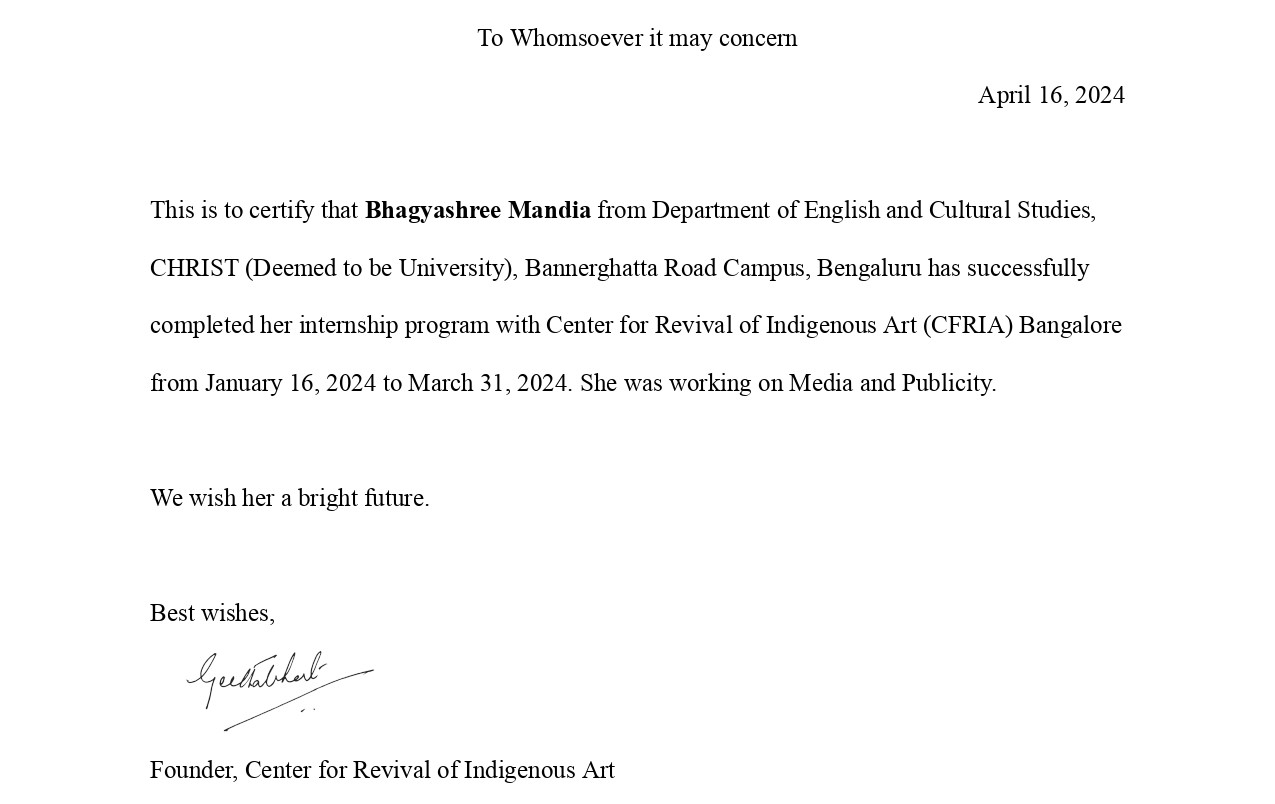

Internship Outcomes and Learnings at CFRIA
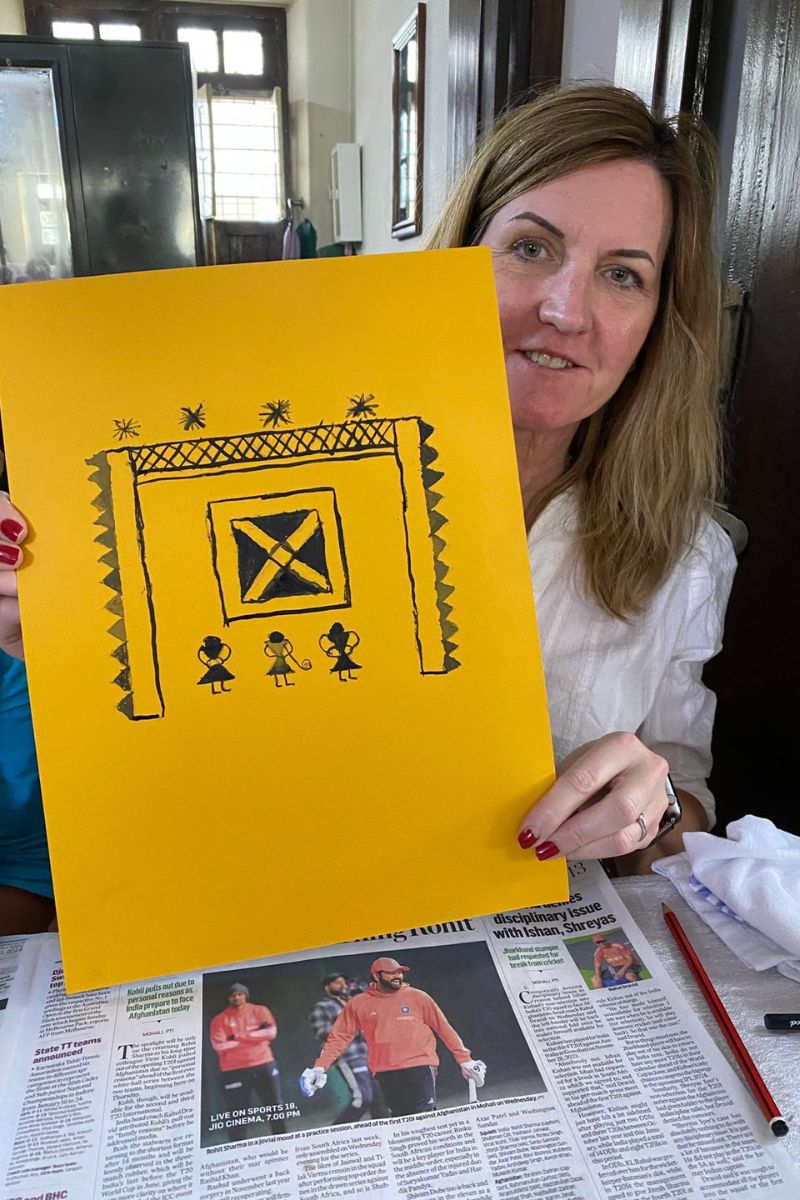
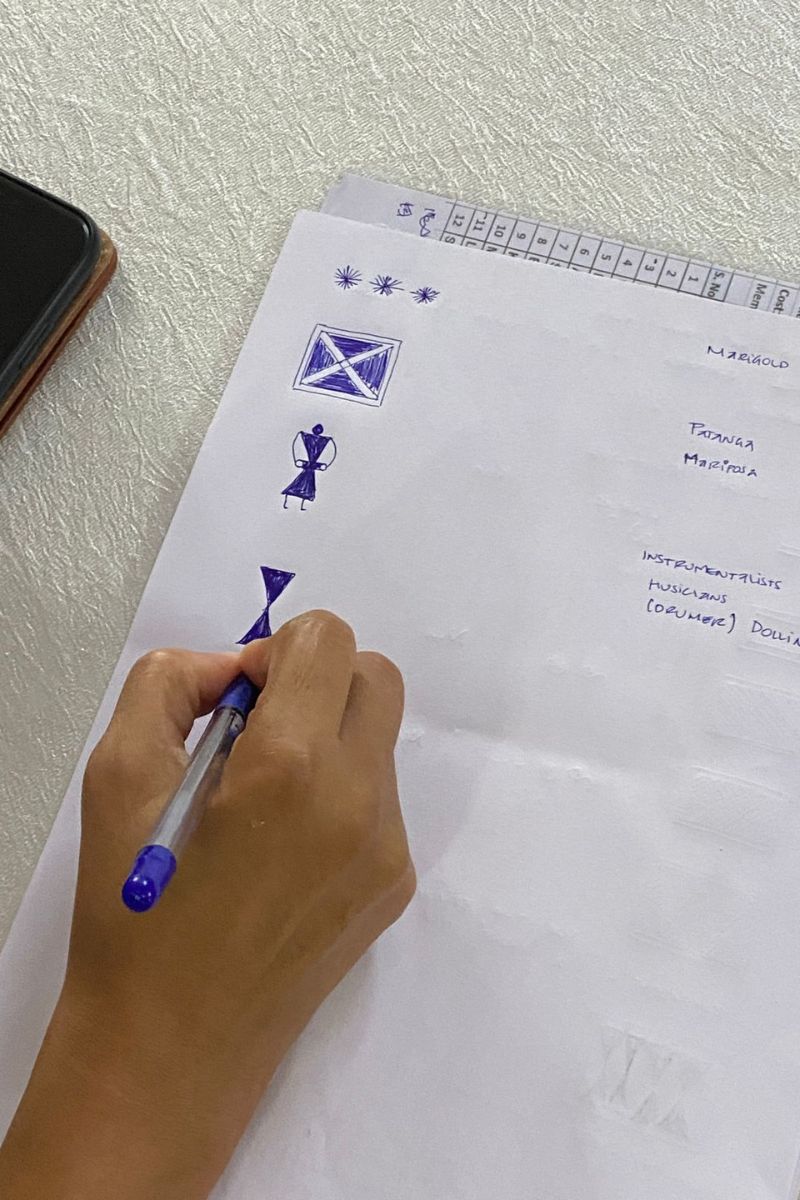
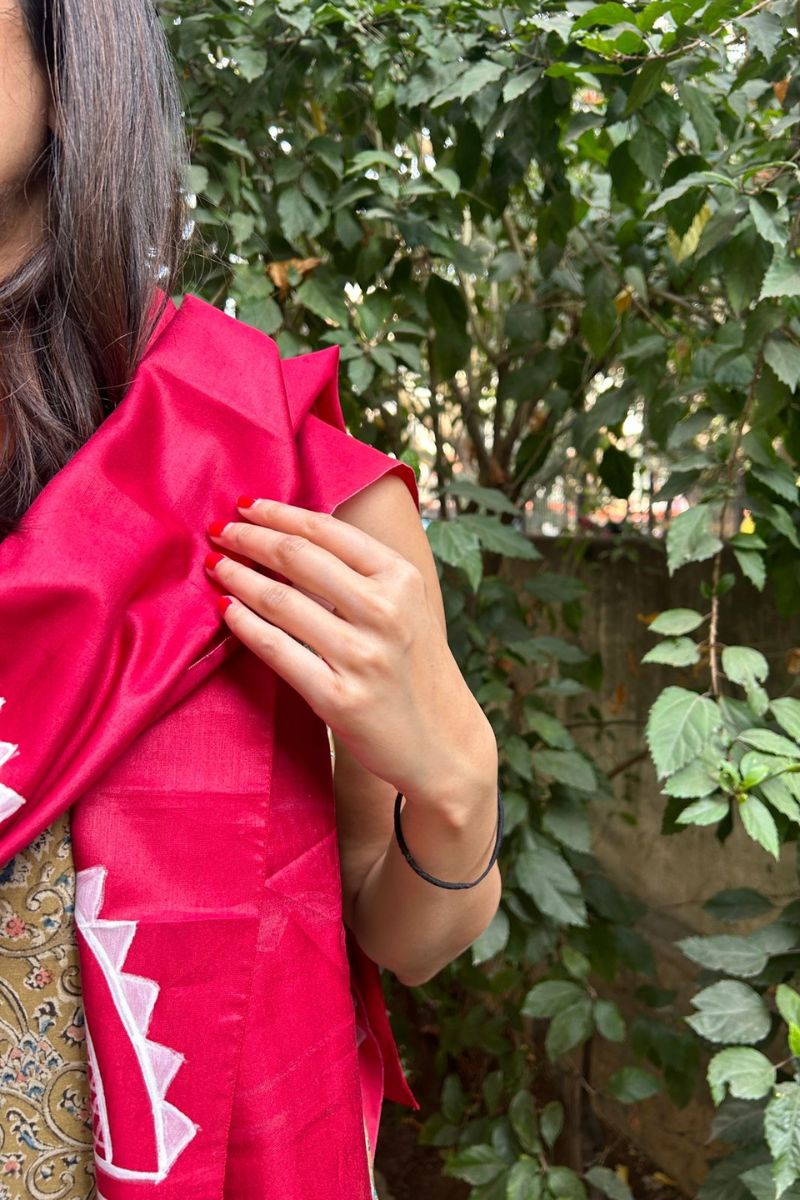
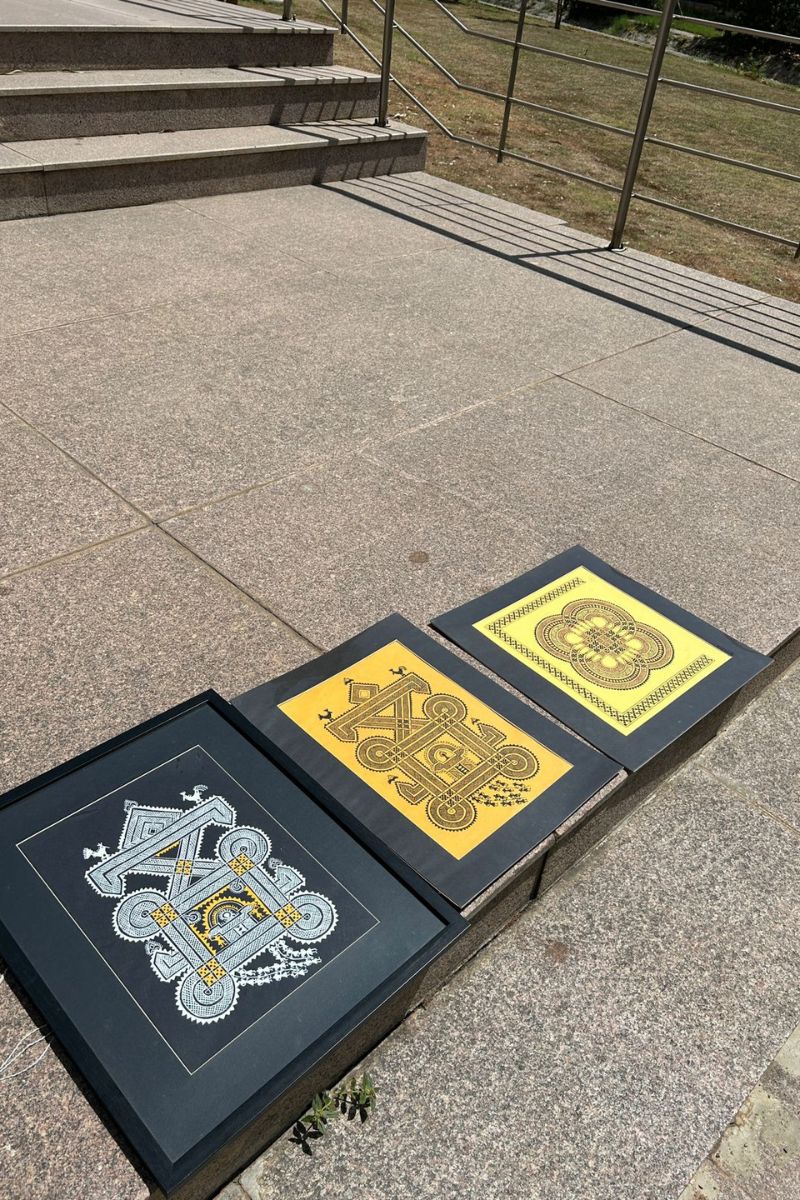
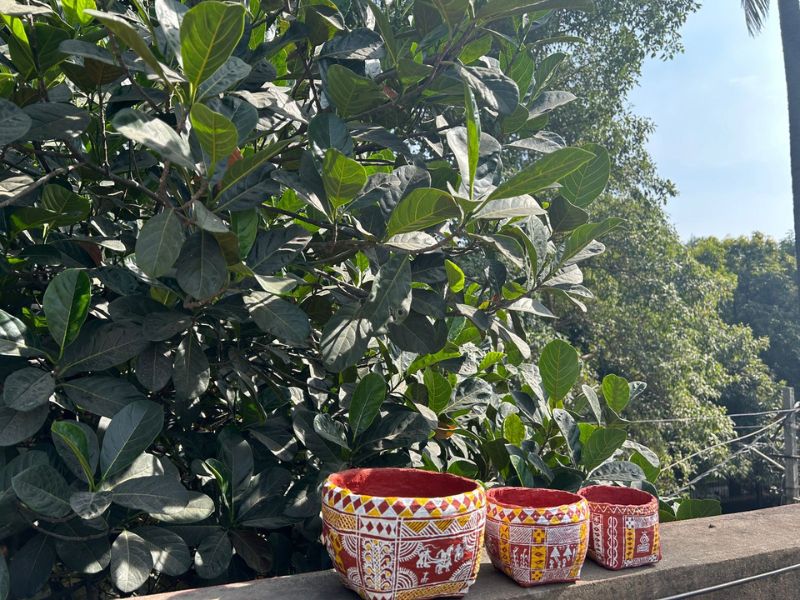
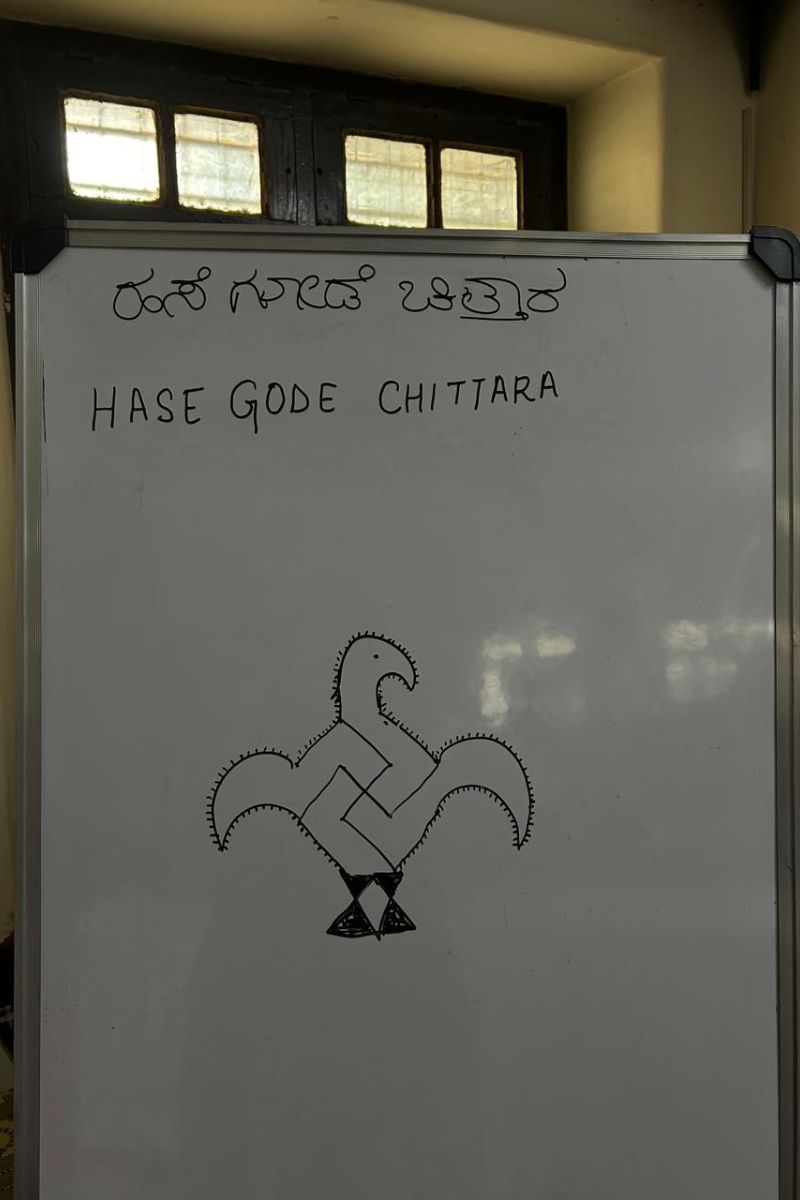
CFRIA (Center for revival of indigenous art) Chitthara is a traditional indigenous art form. Chitthara is one such folk art form, practiced by the Deevaru community in Northern Karnataka, for whose revival CFRIA is working constantly.
During my internship at CFRIA, I developed strong skills in planning, developing, and implementing social media strategies. I gained hands-on experience in managing the organization's social media accounts, particularly focusing on Instagram. This included creating content calendars, scheduling posts, and engaging with the audience to increase visibility and engagement.
CFRIA's mission to preserve and revive indigenous art practices in India provided me with a deeper understanding of the cultural significance and historical context of these traditions. I learned about the importance of safeguarding socio-cultural and ecological aspects associated with indigenous art, and how CFRIA works towards uplifting the artist community while promoting economic regeneration.
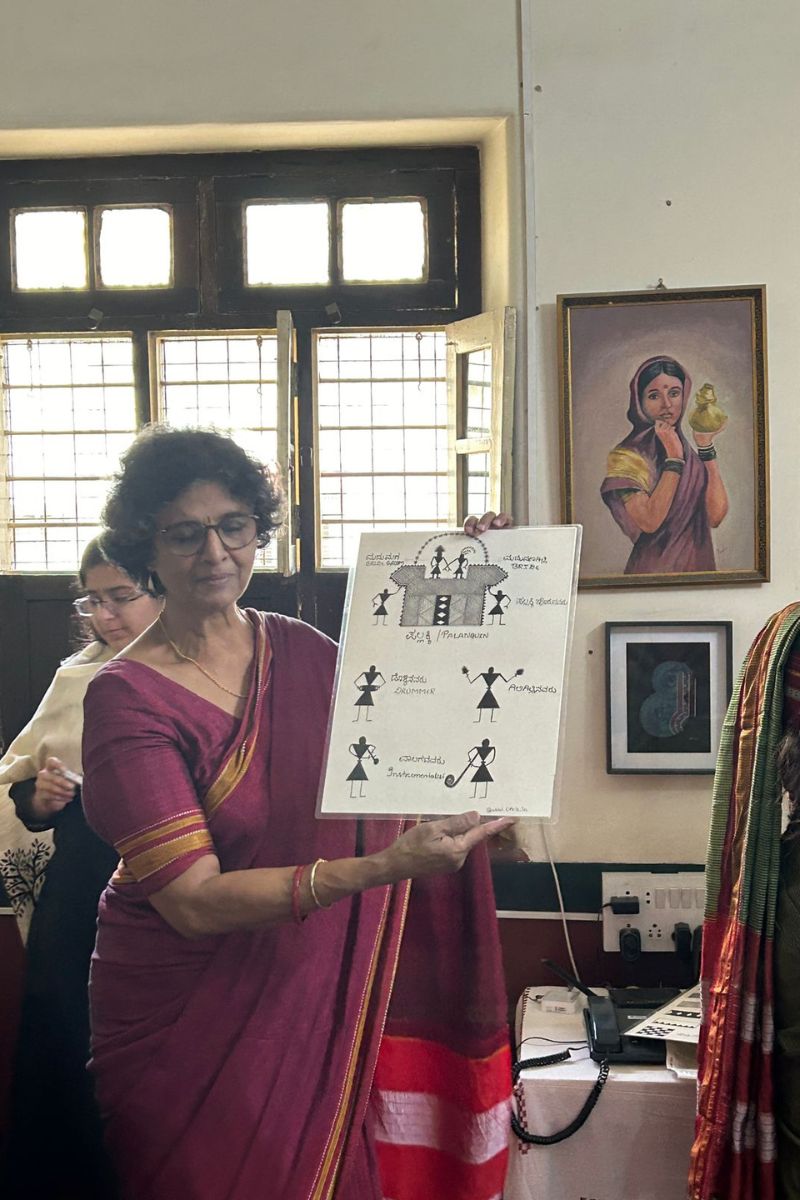
One of CFRIA's objectives is to educate artisans and the younger generation about the value of indigenous art practices. Through my internship, I had the opportunity to contribute to this mission by creating educational content, documenting workshops and events, and engaging with the community on social media platforms. I learned the importance of fostering community involvement and raising awareness about cultural heritage and tradition.
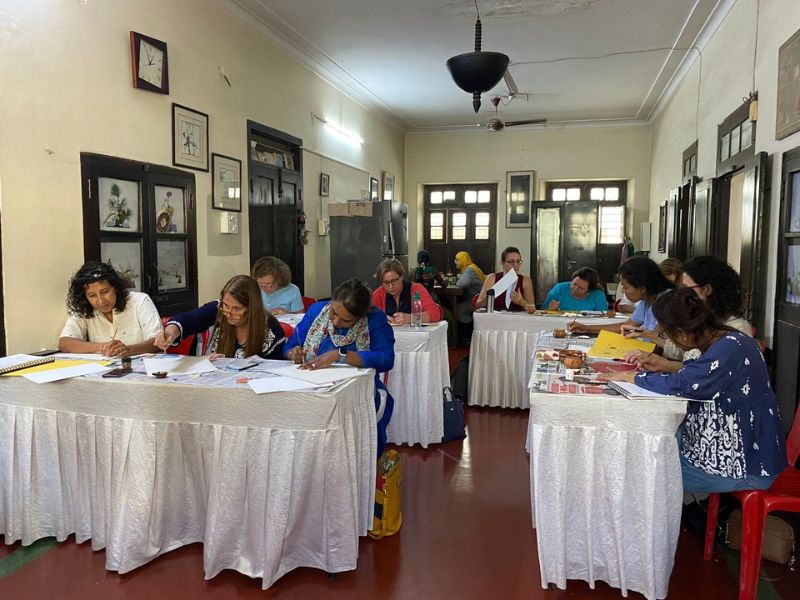
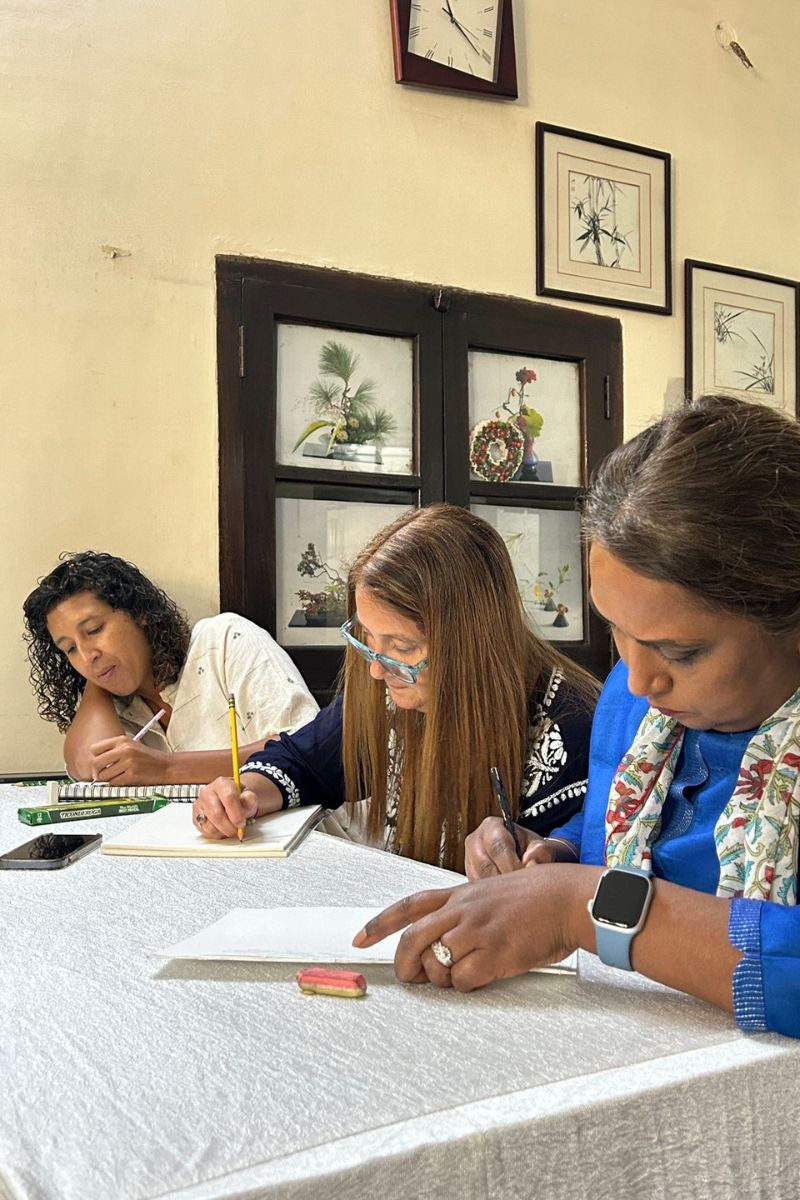
Volunteering to capture two major events, including the Chittara workshop at CFRIA centre and the All India Women Entrepreneurs Meet at HAL, provided me with valuable experience in event management and documentation.
Overall, my internship at CFRIA was a valuable learning experience that enhanced my skills in social media management, content creation, event documentation, and community engagement. I gained a deeper appreciation for indigenous art practices and the importance of preserving cultural heritage for future generations.
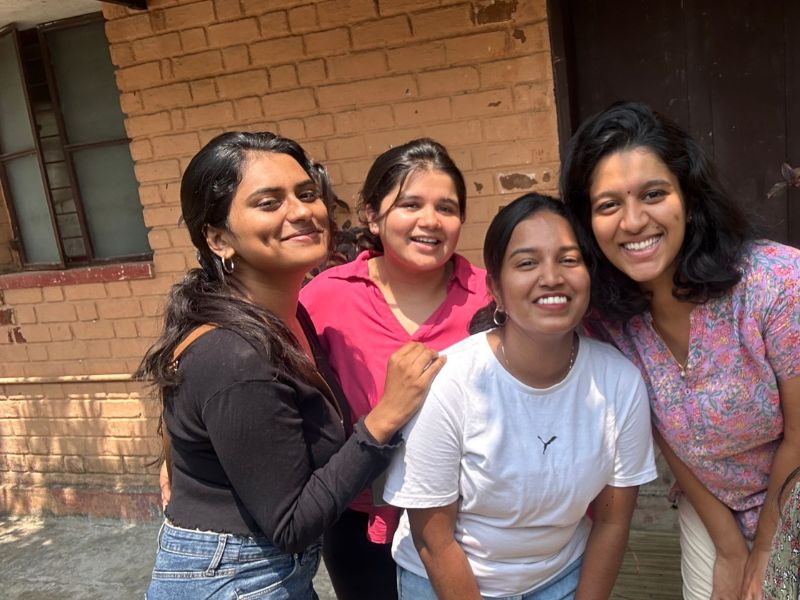
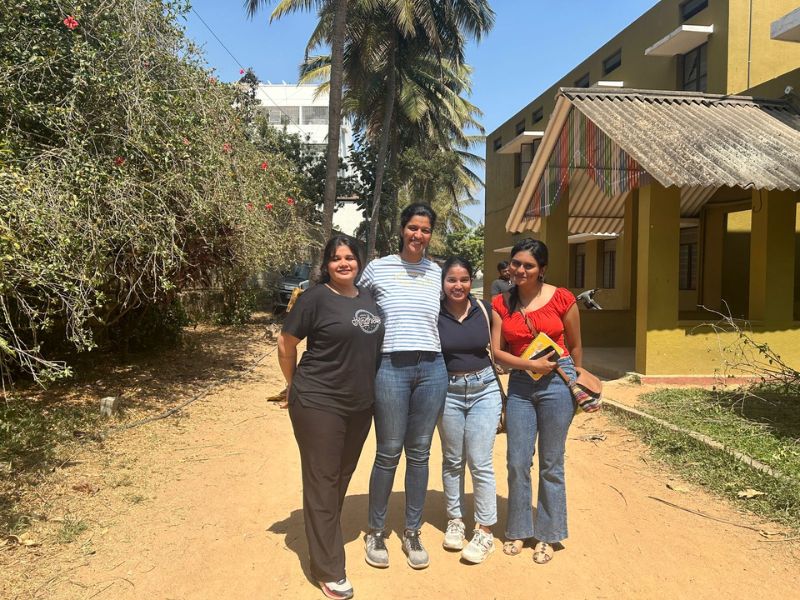
Photos
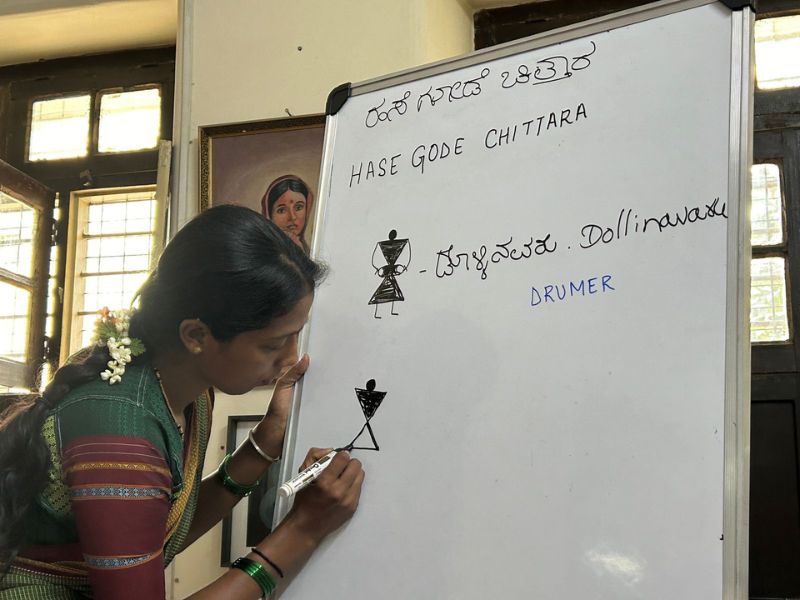
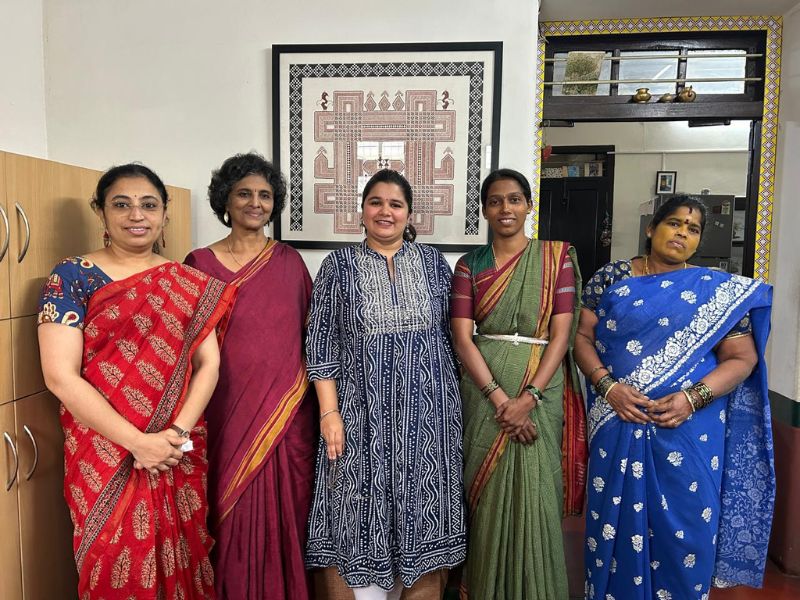
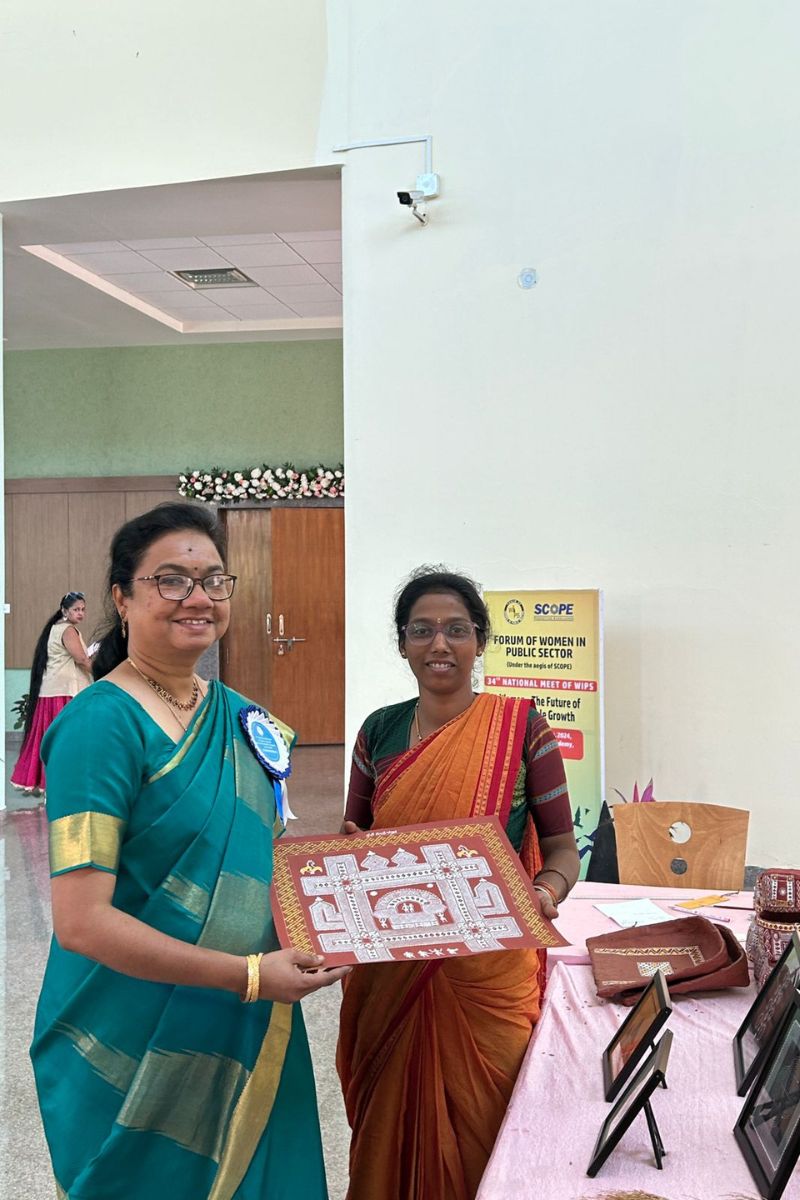
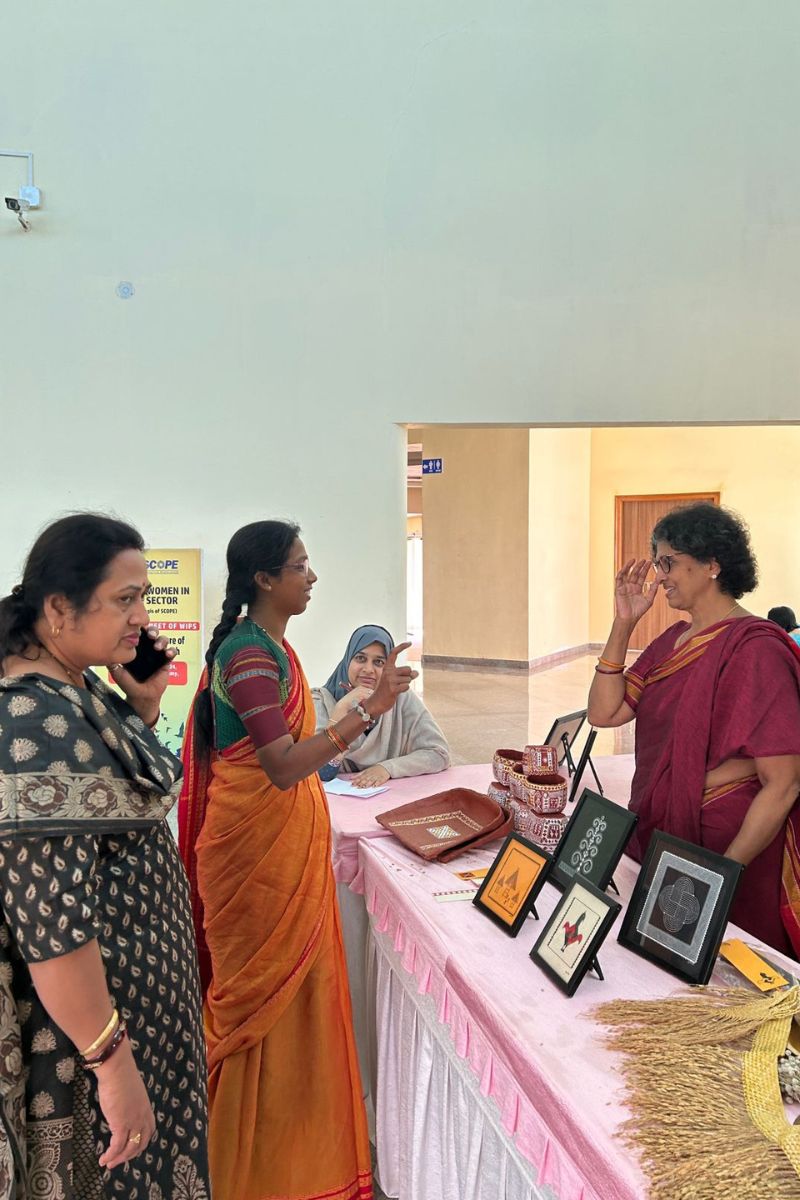
Ragi Kana - Internship Certificate
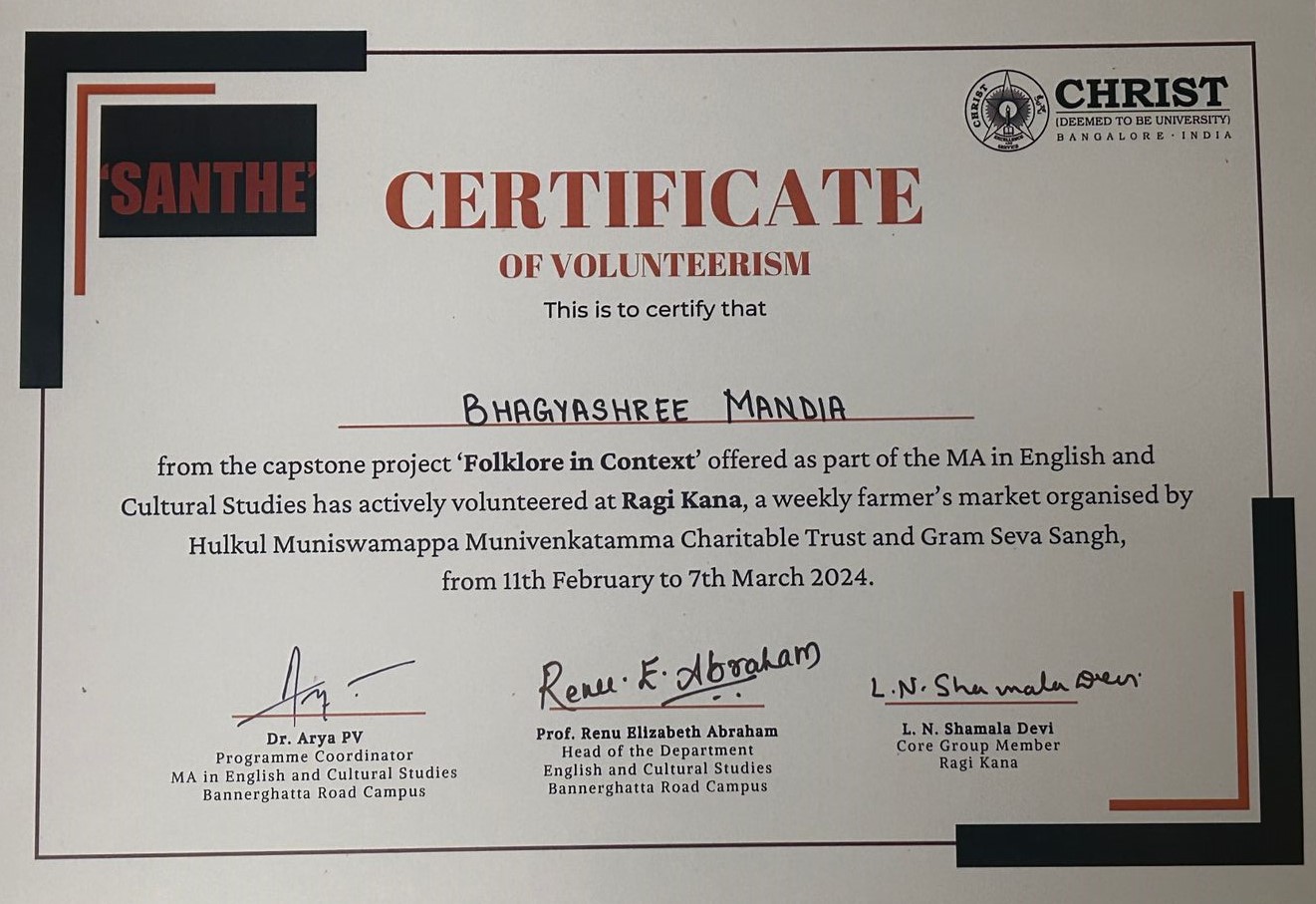
Learning from volunteering at Ragi Kana
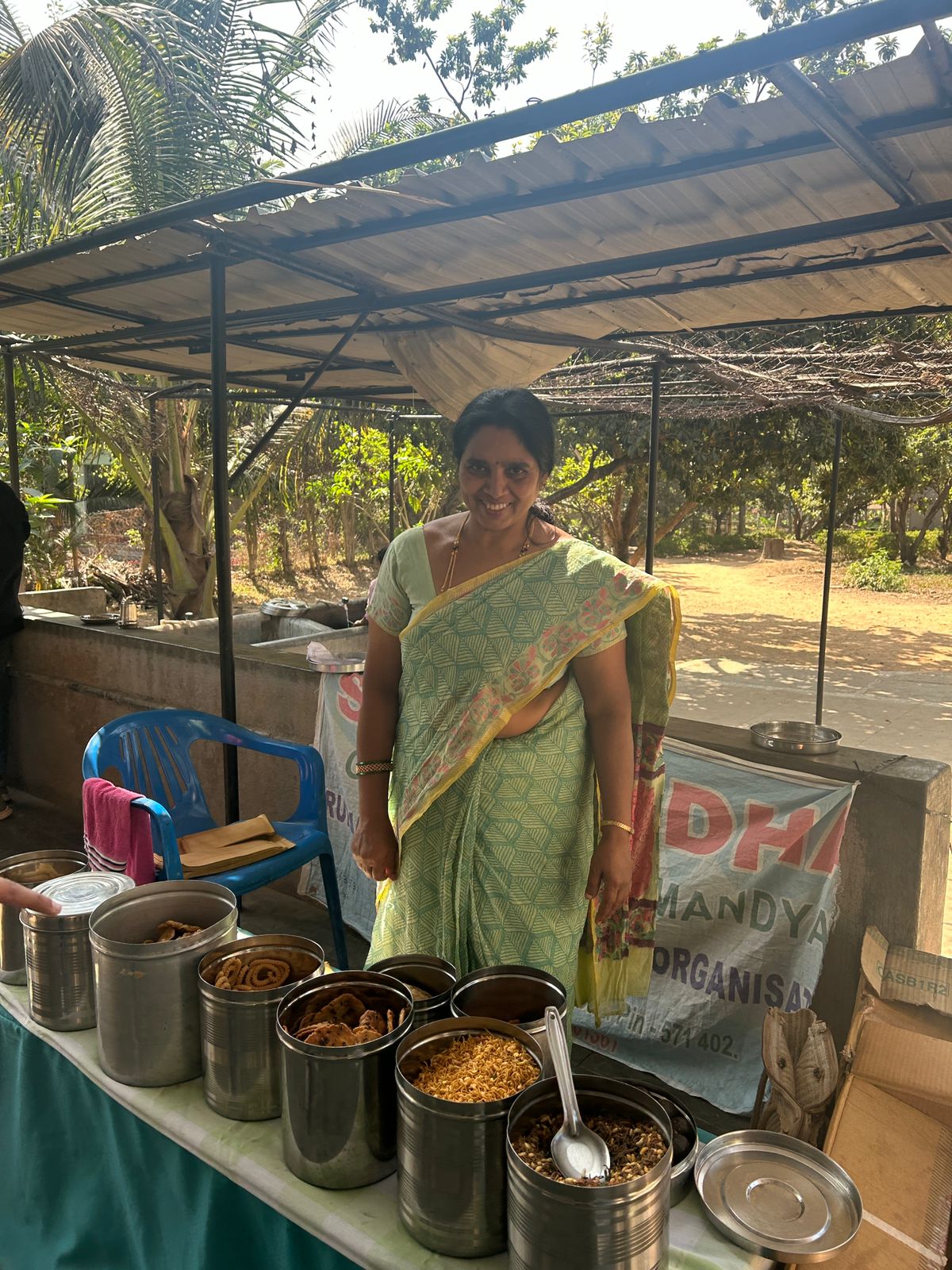
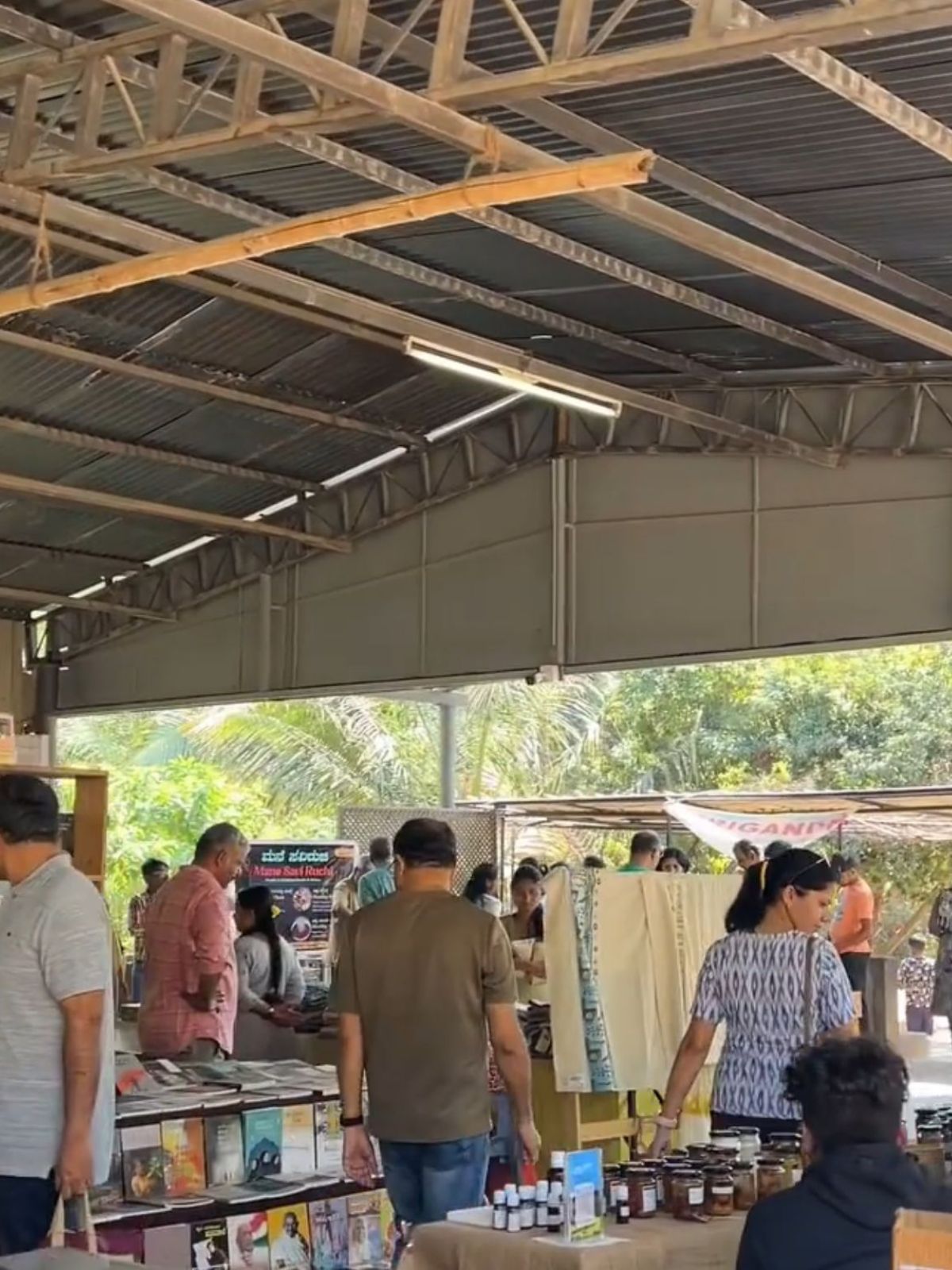
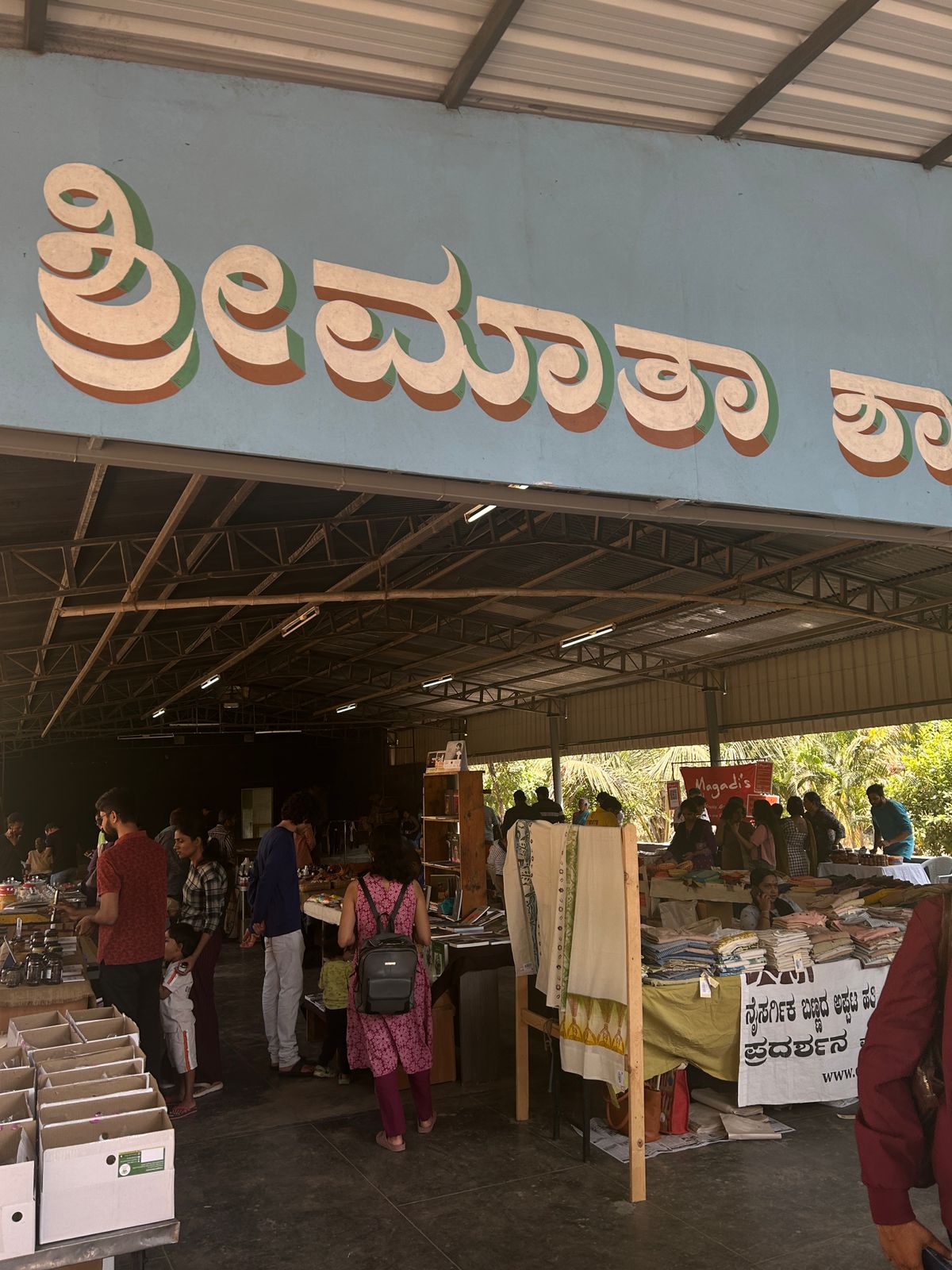
Ragi Kana's focus on conscious living and promoting traditional Karnataka lifestyle introduced me to the importance of sustainable practices. Witnessing the commitment of farmers, artisans, and shopkeepers to selling homemade and organic products reinforced the value of supporting local and sustainable businesses, despite the higher prices compared to conventional options.
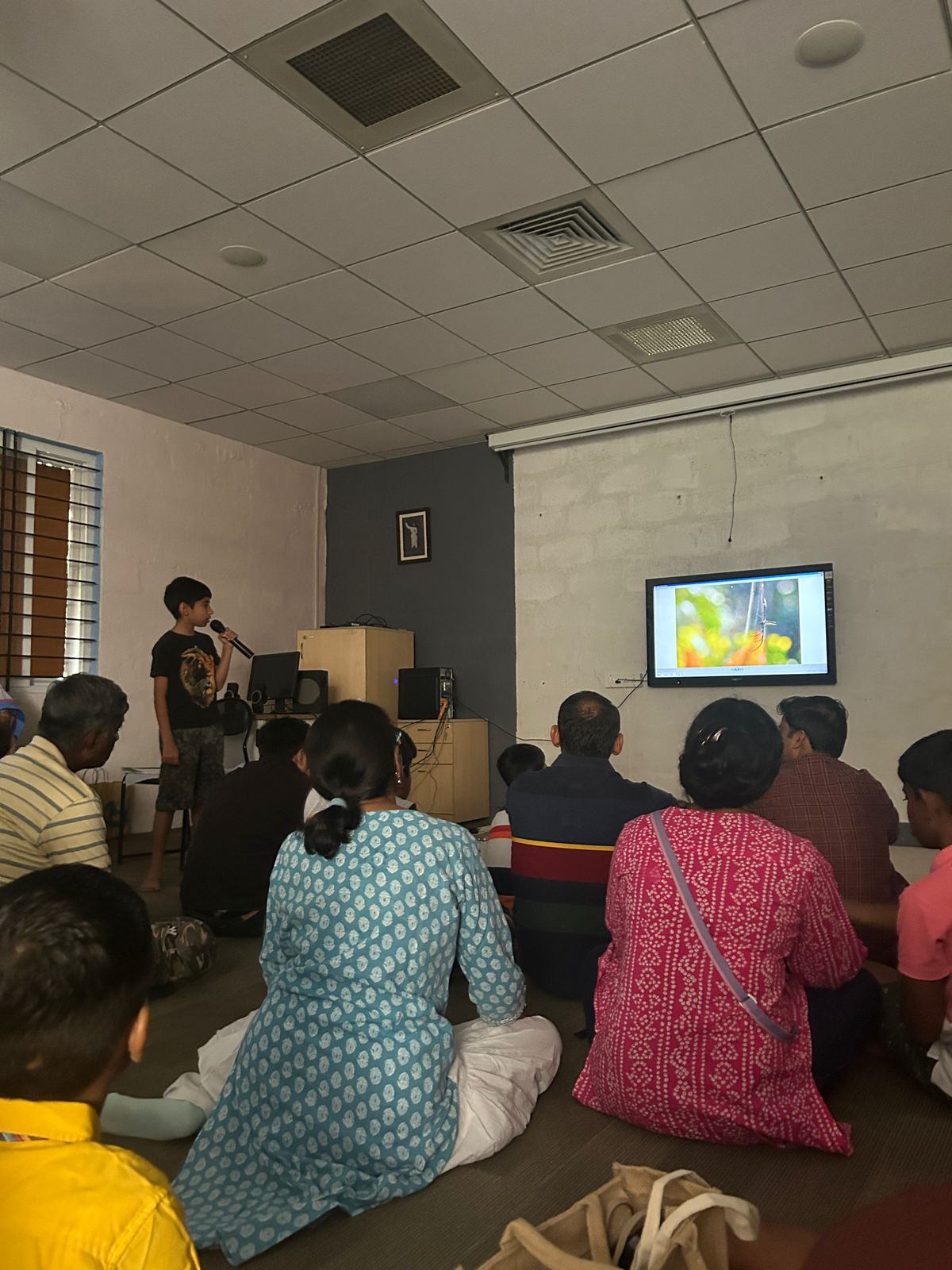
Volunteering at Ragi Kana involved various tasks, including assisting artisans, engaging with visitors, and facilitating activities such as the farm tour and seed ball making. These experiences provided hands-on exposure to event management and coordination, enhancing my organizational and interpersonal skills.
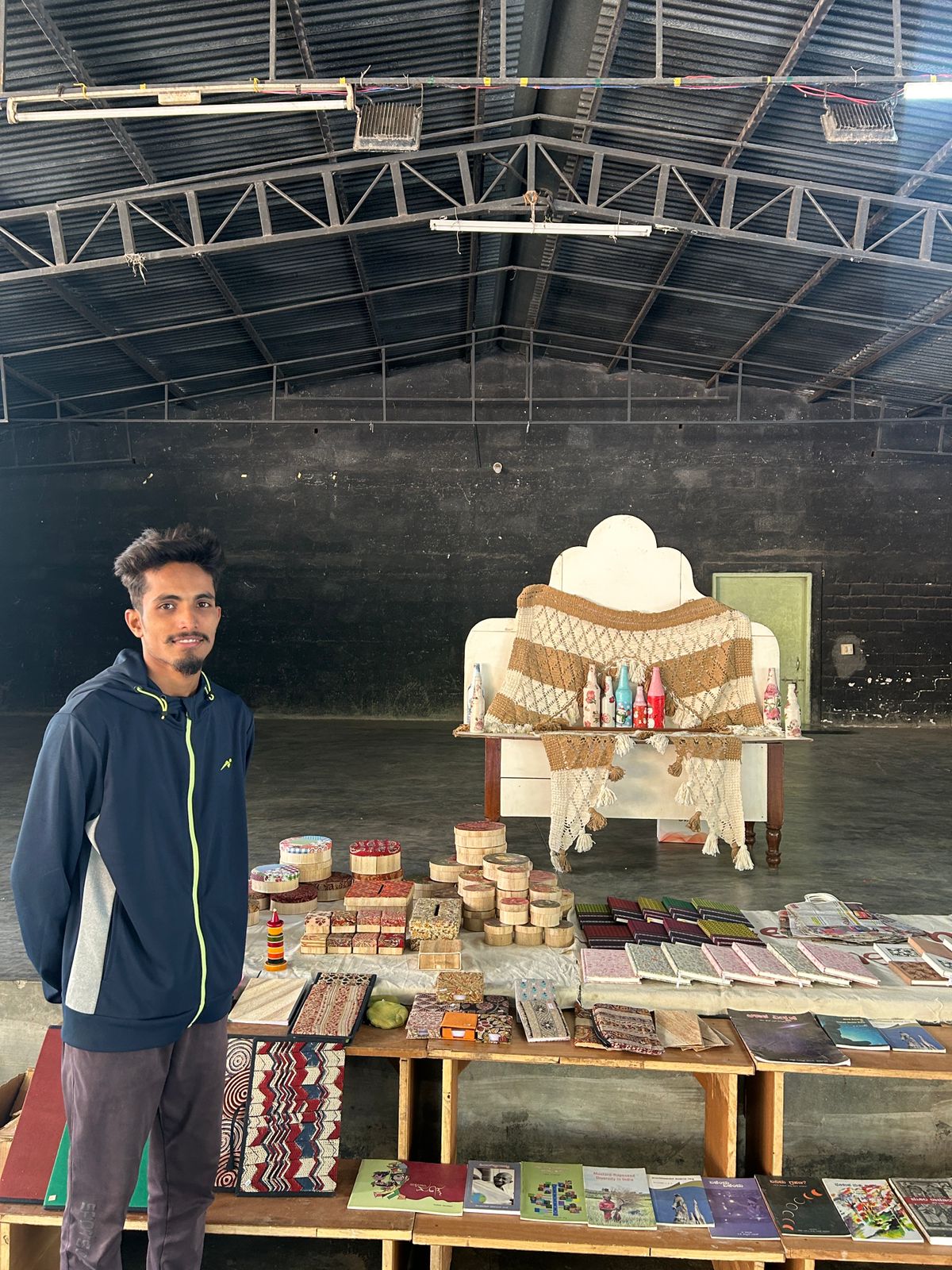
Interacting with artisans selling handmade products made from bamboo and other sustainable materials highlighted the importance of preserving indigenous crafts. Learning about Vishal, a volunteer supporting a NGO for handicapped people by selling their products, underscored the role of community support in promoting traditional craftsmanship and providing livelihood opportunities.
Ragi Kana provided a platform to explore traditional games, recipes, and cultural practices, serving as a rich source of folklore. Discovering traditional recipes passed down through generations and engaging in games reminiscent of childhood fostered an appreciation for the cultural heritage and oral traditions embedded in everyday activities.
Volunteering at Ragi Kana serves as a valuable source of inspiration and insight for my folklore project. By engaging with artisans, exploring traditional crafts, and experiencing cultural practices first-hand, I gained first-hand knowledge of the local folklore and cultural heritage embedded within the community. This immersive experience allows me to authentically capture and document folklore elements such as traditional games, recipes, and handicrafts, enriching my understanding of Karnataka's cultural landscape. Additionally, the empathy and connection forged with the local community provide a unique perspective that enhances the authenticity and depth of my folklore project.
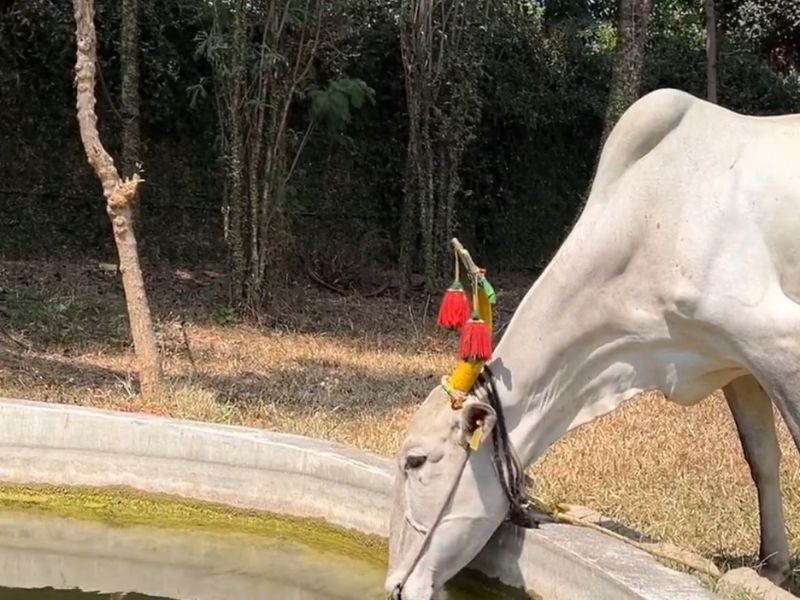
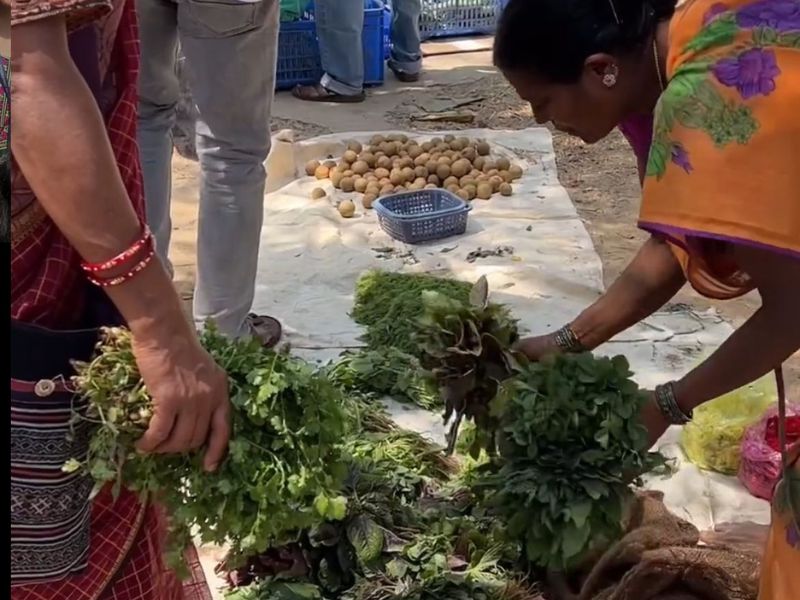
Photos