M.A. (Capstone) Project - Exhibition
Learning and outcomes of Exhibition
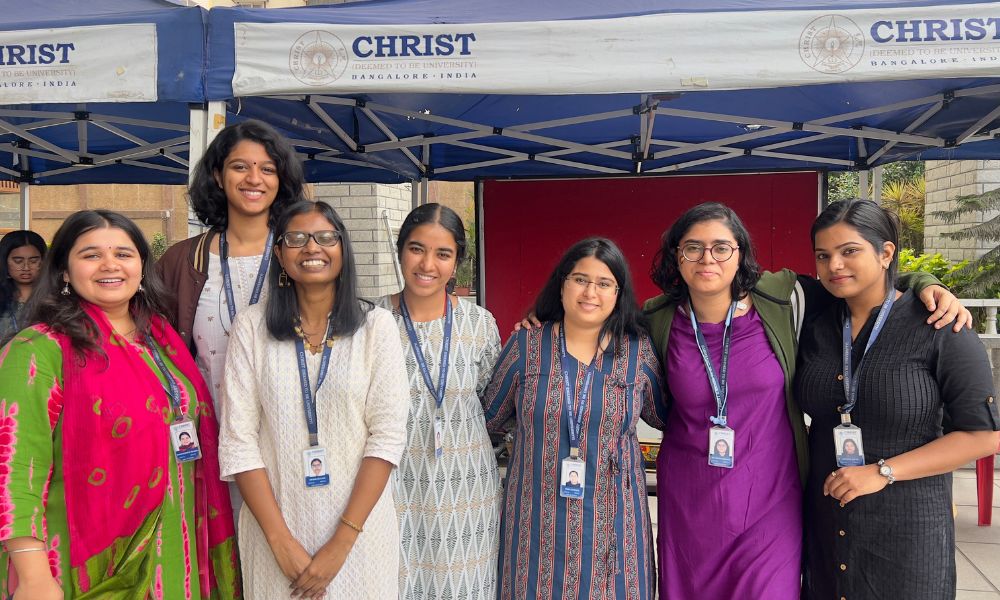
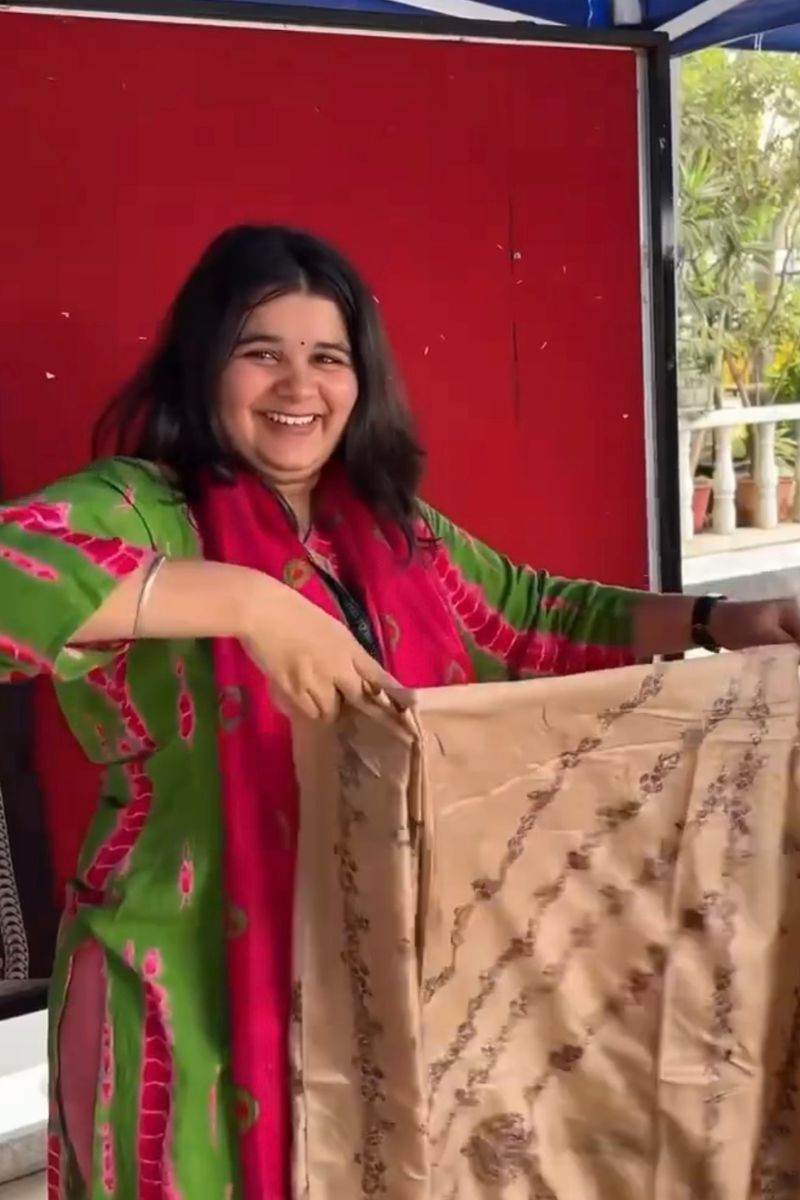
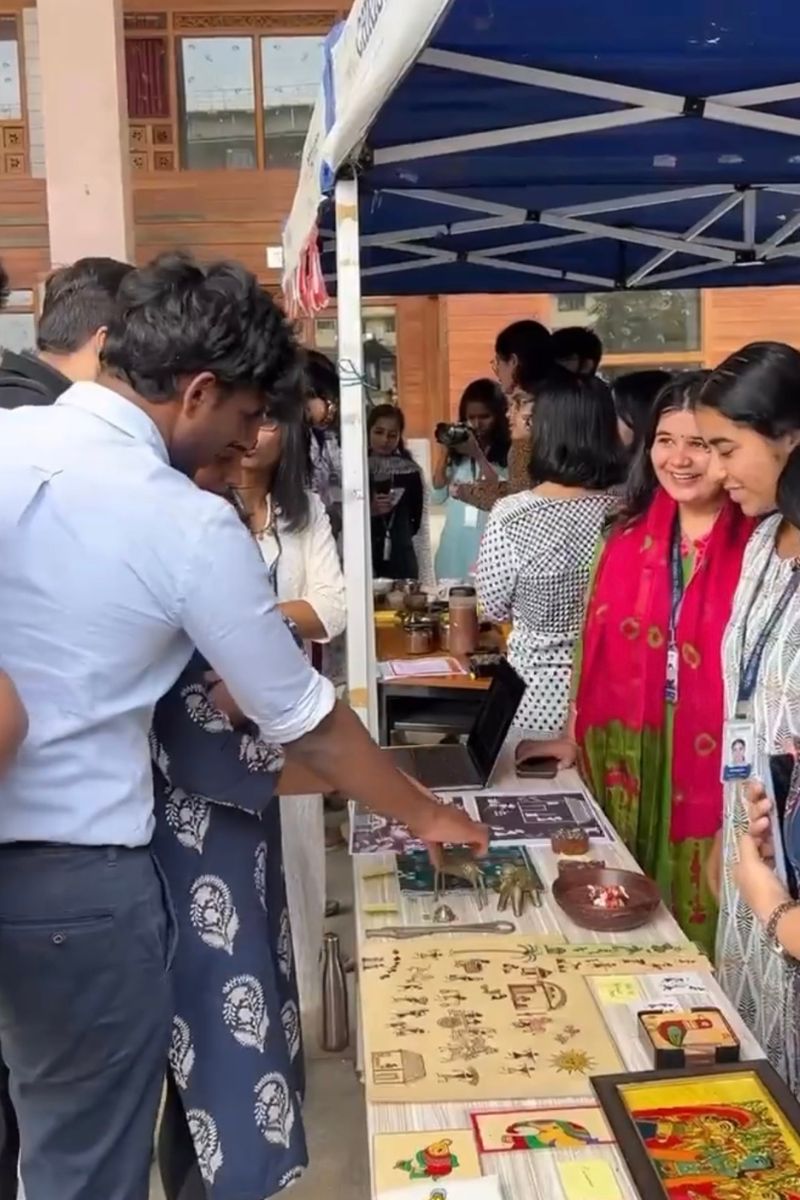
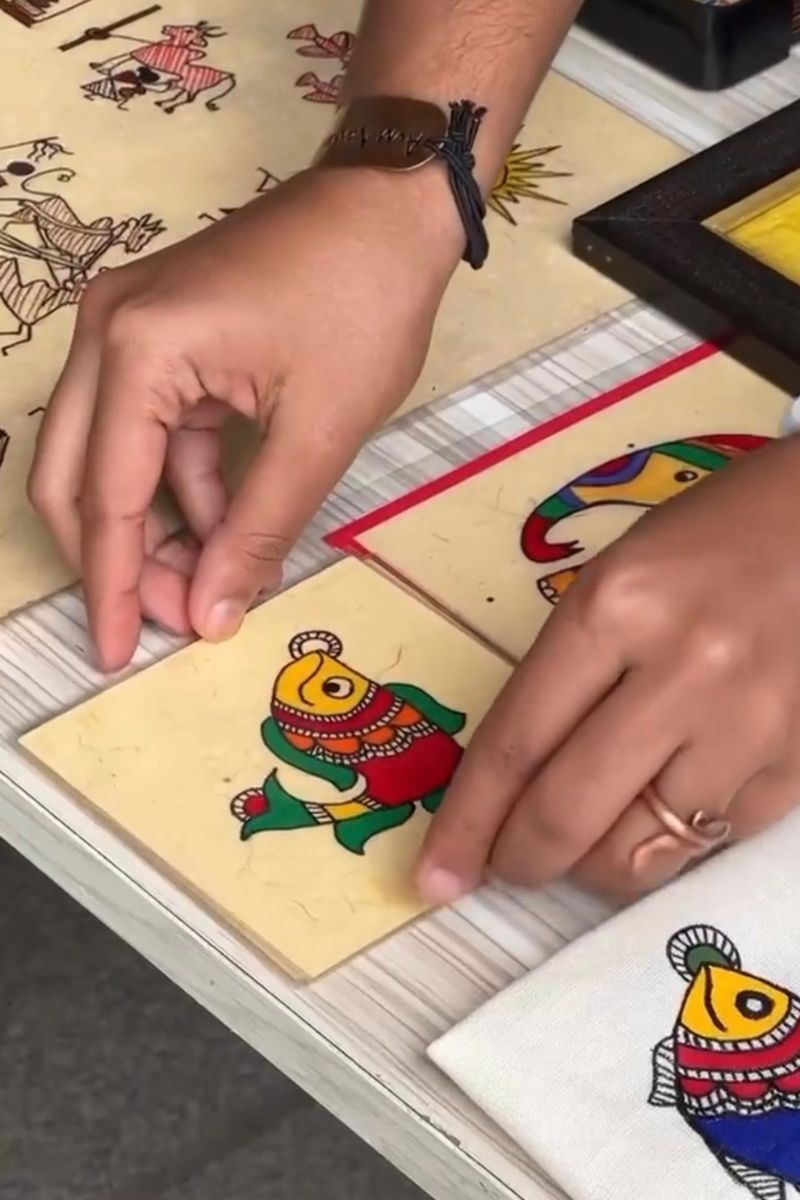
Through the stall based on “folk and sustainability” which was put up as pre vachana event, we as a class and even the participants developed a greater understanding of several folk art forms, including Madhubani, Sambalpuri, Dhokra, and Warli. Through the display of items such as coasters, pillow covers, draperies, and bookmarks embellished with these artistic forms, participants were introduced to the diverse artistic traditions and rich cultural heritage of several states in India.
Participants learned about the traditional methods and eco-friendly materials used in the creation of folk art. Through examining products crafted from red soil, rice powder, bamboo shoots, and natural dyes, participants gained insight into the significance of environmentally conscious methods in safeguarding tradition.
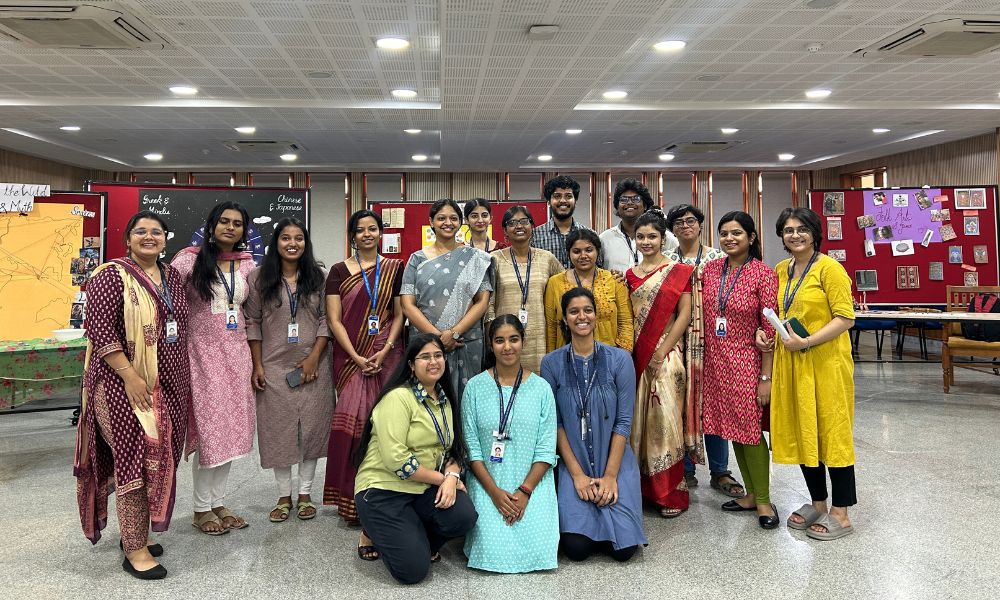
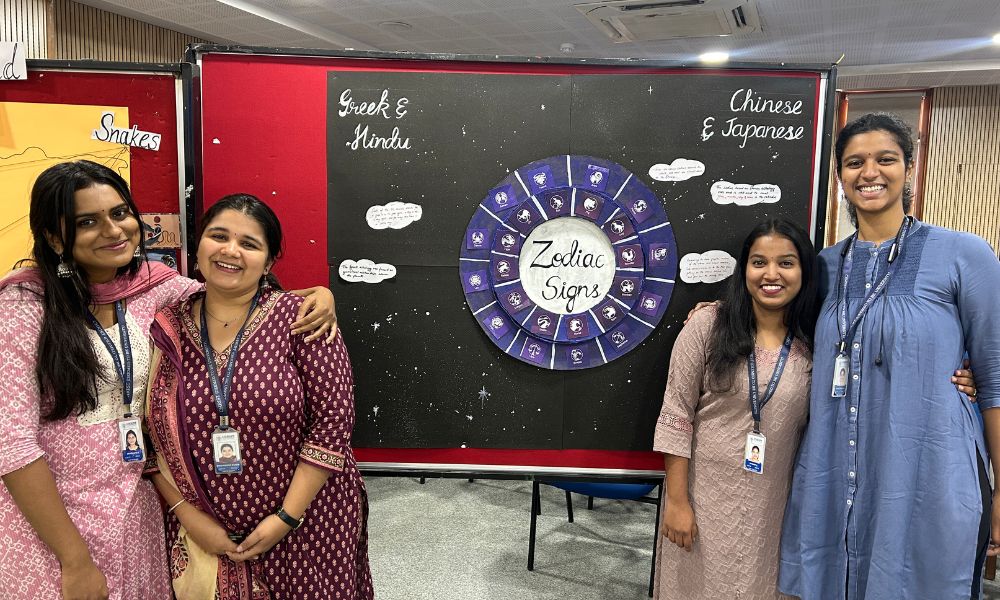
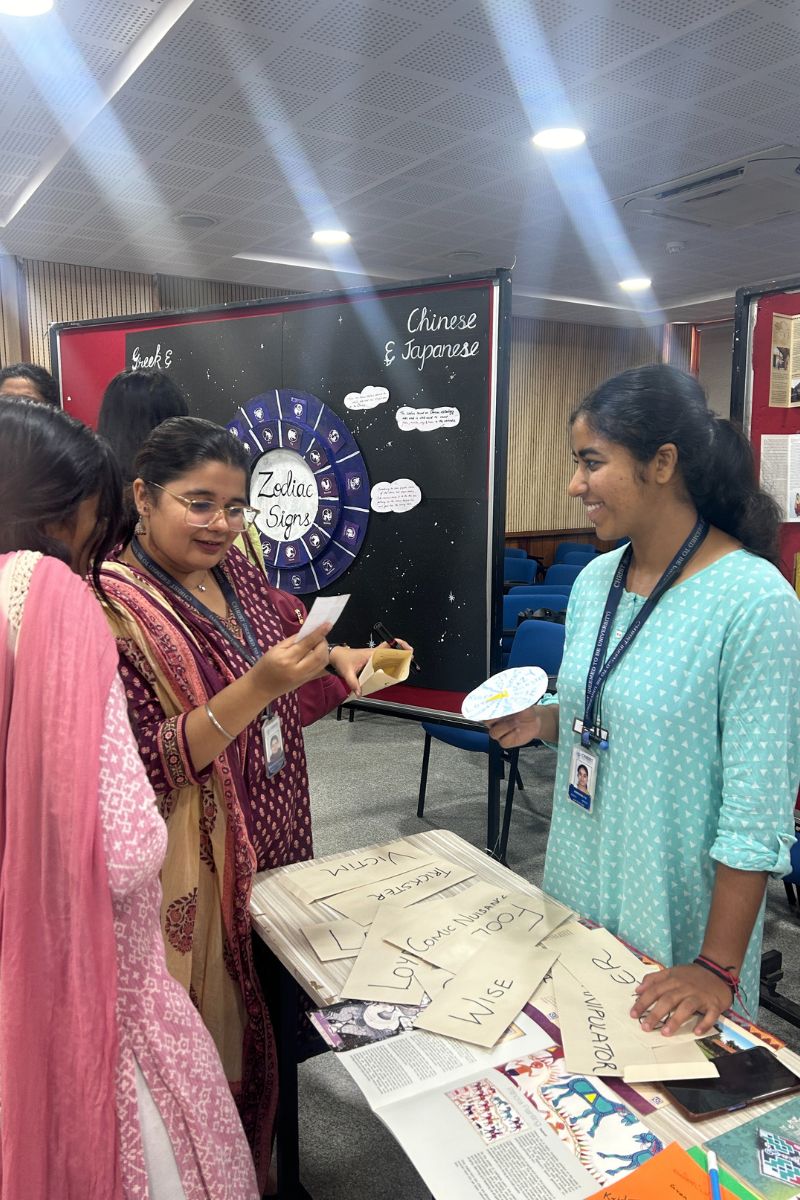
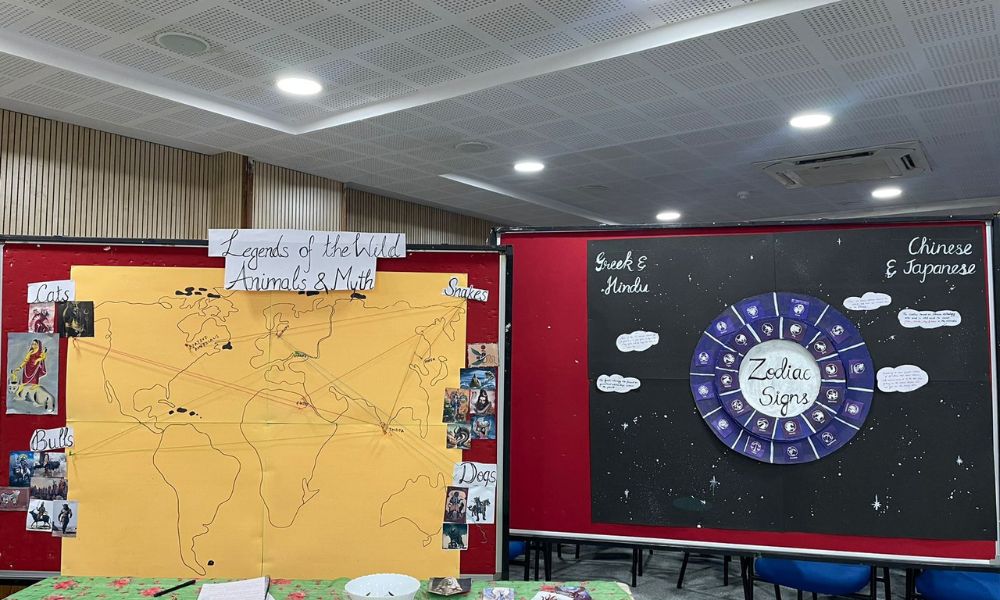
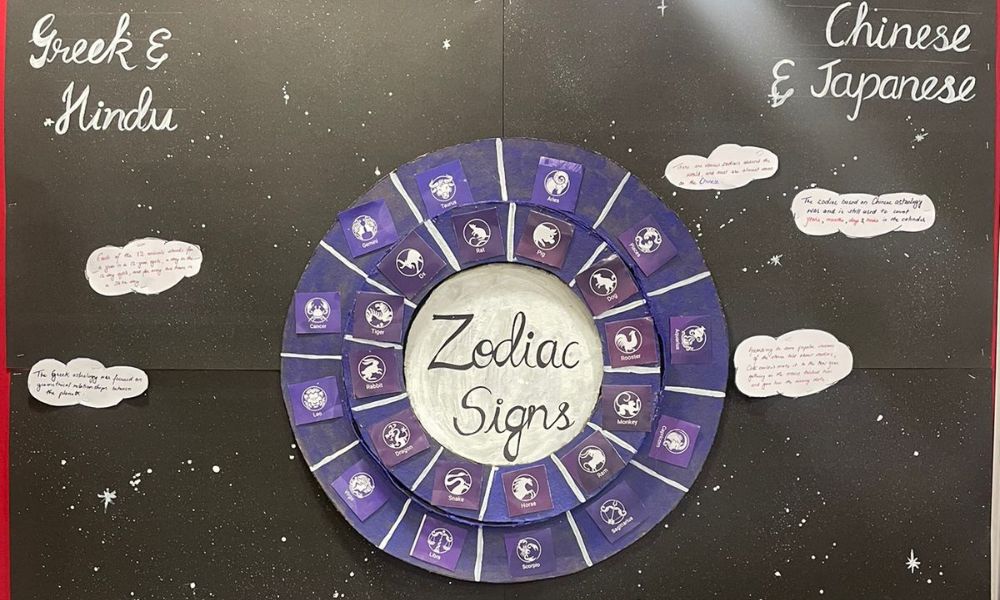
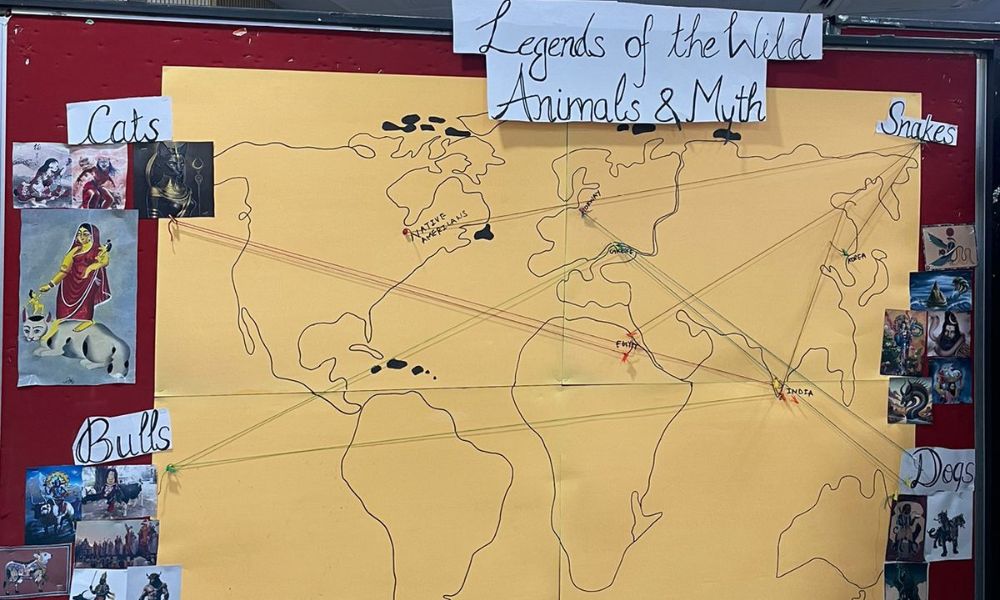
Additionally, the exhibition (which was a public output element) fostered a cross-cultural exchange by showcasing animals depicted in zodiac signs from various cultures such as Chinese, Japanese, Greek, and Hindu. Attendees learned about the similarities and differences in the representation of animals across different folk narratives, promoting cultural understanding and appreciation.
Organizing the stall and exhibition required us to conduct a primary research and in depth study on folk art traditions, historical backgrounds, and cultural significance. By presenting our findings in a coherent and visually appealing manner, attendees honed our research and presentation skills (especially the juniors), enhancing our academic and professional capabilities.
The stall and exhibition in the MA Capstone project provided a platform for us to engage with contemporary folklore, fostering cultural appreciation, historical understanding, and artistic expression. Through hands-on experiences and interactive displays, we gained valuable insights into the diverse cultural heritage and traditions preserved through folk art.